

Not all poly products are designed for the same level of use. One of the most important distinctions in the industry is between industrial-grade and retail-grade poly products. Understanding this difference is essential for selecting the right solution.
Retail-grade poly products are typically designed for light-duty applications. They are commonly used for everyday packaging, consumer goods, and low-weight items. While they are cost-effective, they are not intended to handle heavy loads, sharp materials, or demanding conditions.
Industrial-grade poly products, on the other hand, are manufactured with performance in mind. At Alte-Rego, this involves using higher-quality polyethylene, maintaining consistent thickness, and ensuring strong sealing across the product. These factors contribute to increased durability and reliability.
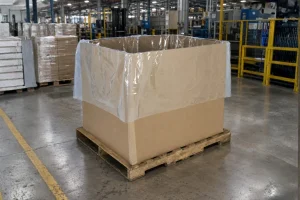
One of the main differences lies in material strength. Industrial-grade products are designed to withstand stress, including weight, impact, and irregular shapes. This makes them suitable for applications such as construction, bulk handling, and industrial packaging.
Consistency is another key factor. Retail-grade products may have variations in thickness or sealing quality, which can lead to inconsistent performance. In contrast, industrial-grade products are manufactured with tighter controls to ensure uniformity.
The choice between the two depends on the application. Using retail-grade products in industrial environments often leads to failure, increased waste, and higher long-term costs. Conversely, using industrial-grade products where they are not needed may result in unnecessary expense.
Selecting the right grade is ultimately about matching the product to its intended use. Alte-Rego focuses on providing industrial-grade solutions that deliver consistent performance in demanding environments.
For businesses evaluating their packaging or waste management systems, understanding this distinction is a key step toward making more informed decisions.