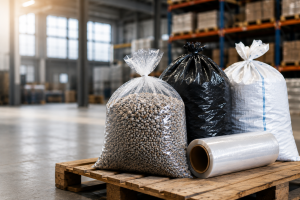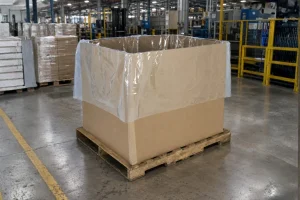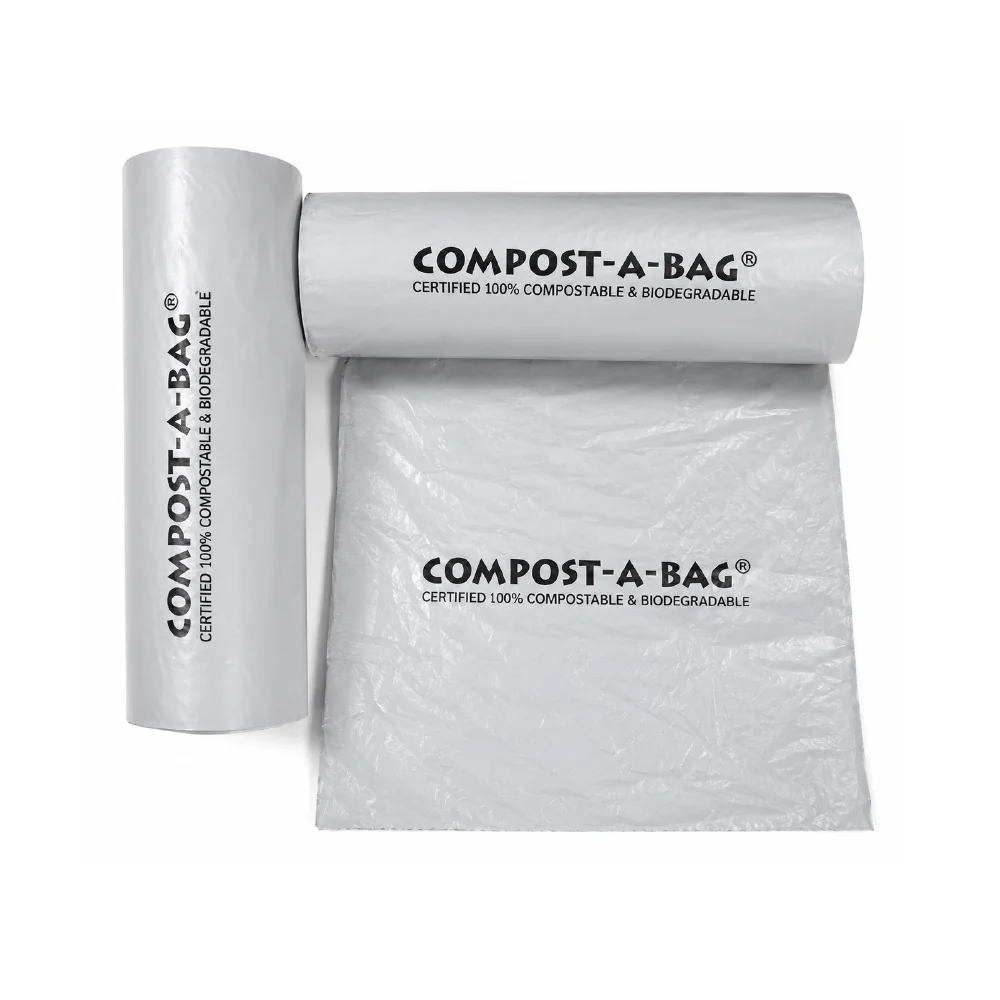


Thickness—commonly referred to as gauge or mil—is one of the most defining factors in the performance of poly bags and liners. While it is often treated as a simple specification, it directly influences durability, flexibility, and suitability for specific applications.
In industrial and commercial environments, the demands placed on a bag or liner vary significantly. A bag used for light packaging has very different requirements compared to one used for construction debris or bulk material handling. This is where thickness becomes critical—not as a universal standard, but as a controlled variable aligned with the intended use.
At Alte-Rego, thickness is determined based on application rather than assumption. Higher gauge materials are used where resistance to punctures, weight, and irregular loads is required. Lower gauge films are used where flexibility and material efficiency are more important. The goal is not to overbuild, but to match performance to function.
Consistency in thickness is equally important. During the manufacturing process, even slight variations in film distribution can create weak points that compromise the integrity of the product. Controlled extrusion ensures uniform thickness across the entire surface, allowing the bag or liner to perform reliably under stress.
Another key consideration is how thickness affects handling. A thicker bag may offer more strength, but it must still remain flexible enough for practical use—whether that involves tying, sealing, or transporting. This balance is carefully maintained during production.
Choosing the correct gauge ultimately reduces failure rates, improves efficiency, and ensures that the product performs as expected in real working conditions. It is a specification that directly impacts both usability and reliability.
For guidance on selecting the appropriate thickness for your application, Alte-Rego can provide recommendations based on load type, usage environment, and performance requirements.