Packaging is often treated as a secondary consideration in industrial operations. However, small mistakes in packaging selection or usage can lead to inefficiencies, product damage, and increased costs over time.
One of the most common mistakes is selecting the wrong thickness. Using bags that are too thin for the application can result in tearing and failure, especially when handling heavy or irregular materials. On the other hand, using unnecessarily thick materials can increase costs without providing additional benefit.
Another issue is improper sizing. Bags that are too small are often overfilled, leading to stress on seams and increased risk of breakage. Oversized bags, while seemingly convenient, can create instability during transport and result in wasted material.
Inconsistent quality is also a concern. Low-quality products may vary in thickness or sealing strength, leading to unpredictable performance. This can disrupt workflows and increase the need for rework or replacement.
At Alte-Rego, these issues are addressed through controlled manufacturing processes and application-focused product design. By maintaining consistency in material and construction, the risk of failure is reduced.
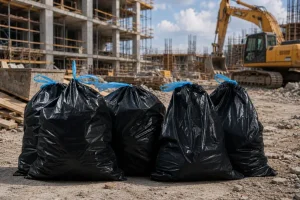
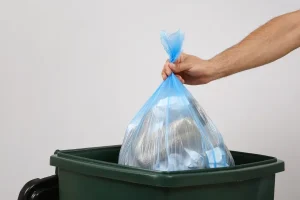
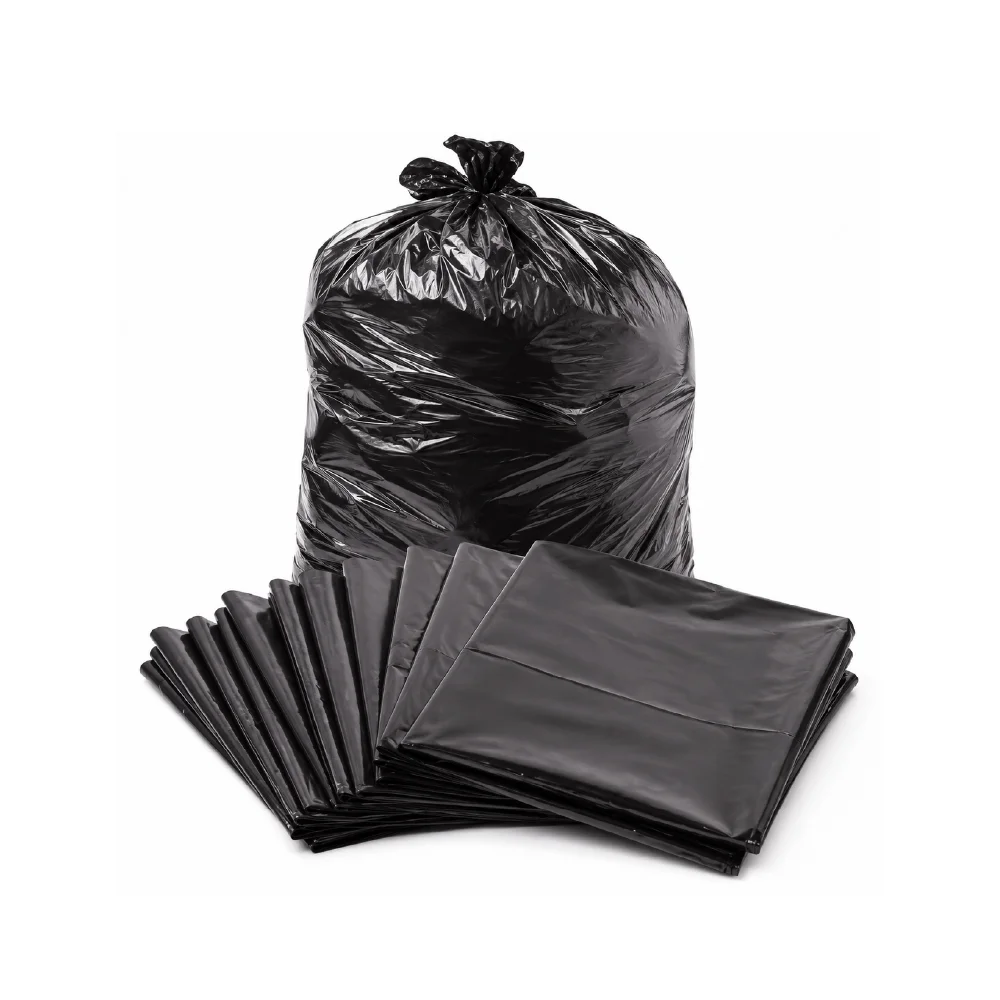
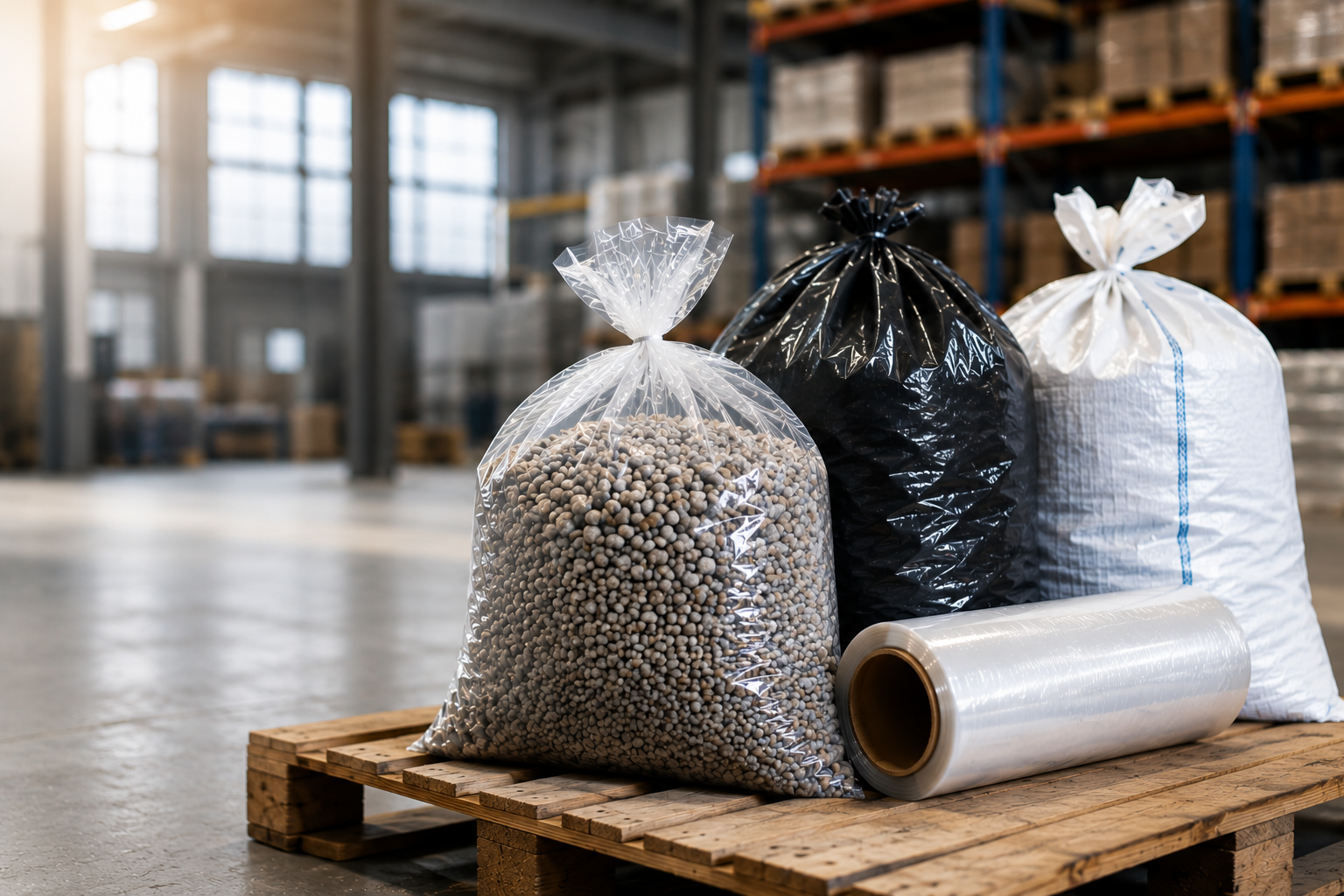
Another overlooked factor is matching the product to the environment. For example, clear bags may be required for sorting and compliance, while stronger, opaque bags may be more suitable for general waste handling. Understanding these requirements helps ensure that the packaging supports the operation rather than complicating it.
Avoiding these mistakes starts with evaluating how packaging is used in practice. By selecting the right size, thickness, and material—and ensuring consistent quality—businesses can improve efficiency and reduce unnecessary costs.
For operations looking to refine their packaging processes, Alte-Rego provides solutions designed to address these common challenges with practical, reliable products.