

Quick Answer
Round bottom drum liners lose less product than flat bottom liners because they take the shape of the drum. A flat bag folds into the corners and bottom of a round drum, creating pockets that trap liquid and paste. A form-fitting round bottom liner sits flat against the drum walls, so pumps and tilting can recover almost all of the product.
Key Takeaways
- Flat bags create folds that trap thick liquids and pastes.
- Round bottom liners fit the drum and drain much more completely.
- Choose LDPE or LLDPE for flexibility and HDPE for chemical resistance and stiffness.
- Match liner gauge to product weight, viscosity and handling.
- Disposable liners often cost less than washing or reconditioning drums.
Every litre of sauce, syrup, resin or coating that stays in a drum after discharge is money lost. It also creates extra cleaning work and, in many plants, hazardous waste. The type of liner you use has a big effect on how much product is left behind.
This article compares round bottom and flat bottom drum liners, explains how to choose the right material and gauge, and shows how to weigh liners against drum cleaning. It is written for chemical manufacturers, food processors working with sauces and syrups, and paint and coatings suppliers looking for a reliable round bottom drum liners supplier.
Why Flat Bottom Bags Trap Product
A standard flat bag is made from a flat tube sealed across the bottom. When you drop it into a round drum, the bag cannot match the drum’s shape. The extra material gathers into folds, especially around the bottom edge.
These folds, often called “pockets”, cause several problems:
- Trapped product. Thick liquids, gels and pastes settle into folds and do not drain.
- Pump problems. A pump wand can catch on loose film or suck it into the intake.
- Slower emptying. Operators spend time scraping or tilting drums to get product out.
- Higher waste. Product left in the liner is thrown away with it.
How Round Bottom Liners Improve Product Recovery
A round bottom liner has a circular base that matches the inside of the drum. Some designs are fully form-fitted, so the liner takes the shape of the drum walls as well as the base.
Because there are few or no folds, product flows to the lowest point and can be pumped or poured out. For viscous products this can mean recovering nearly all of the contents instead of leaving a layer behind. The liner is also easier to remove cleanly, which keeps the drum underneath clean.
Round bottom vs. flat bottom at a glance
| Feature | Flat bottom liner | Round bottom liner |
|---|---|---|
| Fit in a round drum | Loose, with folds | Close to the drum shape |
| Product recovery | Lower, product trapped in folds | High, drains to the bottom |
| Pumping | Film can catch in the pump | Smoother pumping |
| Best for | Dry goods, solids, low-value products | Liquids, pastes, high-value products |
| Cost per liner | Usually lower | Usually higher, offset by less waste |
Choosing the Right Material: LDPE, LLDPE or HDPE
Drum liners are usually made from polyethylene. Each type behaves differently:
- LDPE (low-density polyethylene) – soft, flexible and clear. Good for general use and products that are not aggressive.
- LLDPE (linear low-density polyethylene) – tougher and more puncture- and tear-resistant than LDPE at the same thickness. A common choice for heavy or sharp-edged loads.
- HDPE (high-density polyethylene) – stiffer, thinner for the same strength and with better resistance to many chemicals. Often used where chemical compatibility matters.
Many liners use a blend of these resins to balance strength, flexibility and cost.
Checking chemical compatibility
Always check your product against the liner material. Some solvents, oils and strong chemicals can soften or swell polyethylene. Ask your supplier for compatibility guidance and, for critical products, test a liner with the product at your storage temperature for the time it will actually be stored.
Picking the right gauge
Gauge (thickness) is usually given in mils. Heavier products, hot filling, rough handling and long storage all call for a thicker liner. A liner that is too thin may tear during filling or removal. A liner that is much thicker than needed costs more and can be harder to fit.
Cost-Benefit: Liners vs. Cleaning Drums
Without liners, drums need cleaning or reconditioning between uses. That usually means:
- Labour and downtime for washing.
- Water, detergents and energy.
- Treating or disposing of contaminated wash water, which may count as hazardous waste.
- Reconditioning fees or replacing damaged drums.
With liners, the drum mostly stays clean. You remove the used liner, put in a new one and refill. In many operations the cost of the liner is lower than the full cost of washing, especially when you add product saved from better recovery.
Simple way to compare: add up labour, water, chemicals, waste disposal and downtime for one drum wash. Compare that with the cost of one liner plus the value of the extra product you recover.
Finding a Round Bottom Drum Liners Supplier in Canada
When choosing a supplier, ask about:
- Sizes available for your containers, from pails to 55-gallon drums and larger totes.
- Material and gauge options, and whether they can make custom sizes.
- Food-contact documentation if you handle food products.
- Lead times and stock levels in Canada.
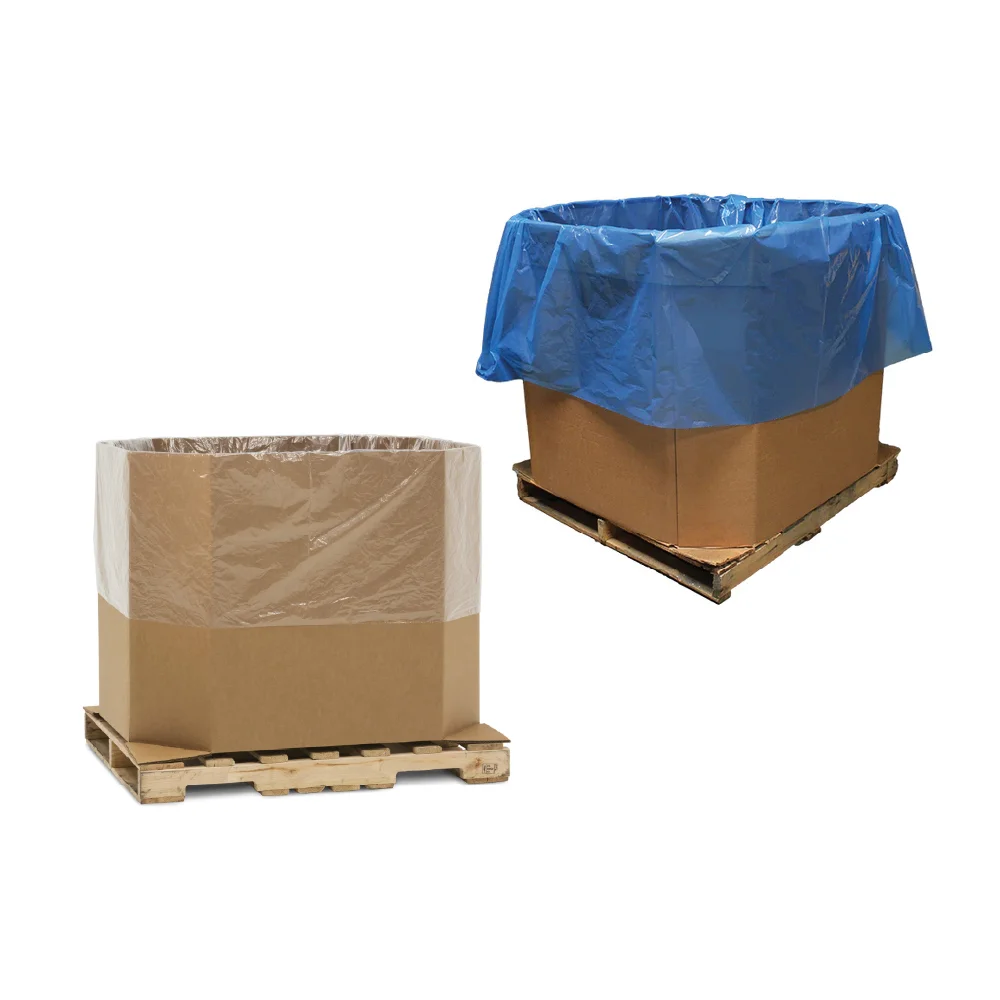
Alte-Rego Corporation is a Toronto-based flexible packaging manufacturer serving Canadian industry since 1988. We supply industrial liners, including Gaylord liners for bulk containers, and can work with you on custom drum and pail liners made to your container size and product.
Frequently Asked Questions
What is the difference between a drum liner and a drum bag?
The terms are often used for the same product. “Liner” usually means a bag designed to fit inside a drum or pail to protect it and the product. Round bottom or form-fitted liners fit more closely than simple flat bags.
Can drum liners be reused?
Most drum liners are single use. Reusing them risks contamination and tears. The drum itself can be reused many times because the liner keeps it clean.
What size liner do I need for a 55-gallon drum?
It depends on the drum’s inside diameter and height, and whether the liner should fold over the rim. Share your drum dimensions with your supplier to get the right fit.
Are drum liners safe for food products?
Yes, if they are made from food-contact grade materials. Ask your supplier for food-contact documentation before using liners with sauces, syrups or other food products.
Explore Related Alte-Rego Products
- Gaylord Liners – Clear industrial-grade liners for bulk containers, available in multiple sizes and thicknesses.
Need a custom size or specification? Call (416) 740-3081, email marketing@alte-rego.com or request a quote from our team.