
Quick Answer
Food-grade polyethylene packaging in Canada must not transfer harmful substances to food, under the Food and Drugs Act, and must be suitable for its use, under the Safe Food for Canadians Regulations enforced by the CFIA. In practice, buyers choose packaging made from food-contact resins, ask suppliers for documentation such as a Health Canada Letter of No Objection or an FDA statement, and buy from sites with certified food safety systems.
Key Takeaways
- Packaging must not make food unsafe; this is a legal requirement in Canada.
- Health Canada’s Letter of No Objection is voluntary but widely requested.
- Bulk ingredients need liners and bags that stop cross-contamination.
- Recycled content in direct food contact needs extra assessment.
- Choose suppliers with GFSI-recognised certification such as FSSC 22000.
For food and beverage operations, packaging is part of food safety. A bag or liner that sheds particles, transfers chemicals or tears during handling can lead to contamination, recalls and lost customers. Quality assurance teams need to know what the rules say and how to check that suppliers meet them.
This guide explains the main food-contact rules that apply to food grade flexible packaging in Canada, how to prevent contamination in bulk storage, and what to look for in a flexible packaging manufacturer.
Health Canada, CFIA and FDA: Food-Contact Rules Explained
Health Canada and the Food and Drugs Act
The Food and Drug Regulations prohibit selling food in a package that may transfer any substance to the food that could be harmful to the consumer. This is a performance requirement: the law does not list approved packaging, but it makes the seller responsible for safe packaging.
Health Canada offers a voluntary pre-market assessment for food packaging materials. If the material is acceptable, Health Canada issues a Letter of No Objection (LONO) for the stated use. Many food companies ask suppliers for a LONO as part of supplier approval.
CFIA and the Safe Food for Canadians Regulations
The Safe Food for Canadians Regulations (SFCR) apply to food businesses that import, export or trade food between provinces. Licence holders must have preventive controls, which include making sure packaging is suitable and will not contaminate food. The CFIA checks this during inspections.
FDA for exporters
If you export to the United States, FDA rules apply. Polyethylene and polypropylene used for food contact are covered under regulations such as 21 CFR 177.1520. Suppliers often provide a statement that their resin meets the relevant FDA regulation.
Preventing Cross-Contamination in Bulk Ingredient Storage
Bulk ingredients such as flour, sugar, grains, powders and liquid concentrates are often stored in totes, drums, boxes or bins. Food-grade liners and bags protect them in several ways:
- Physical barrier. A liner separates the food from the container, which may carry dust, residue or rust.
- Moisture protection. Polyethylene limits moisture pick-up, which helps prevent caking and mould in dry ingredients.
- Allergen control. Changing liners between batches reduces the risk of allergen carry-over in shared containers.
- Clean handling. Sealed or tied bags reduce exposure during transfer and storage.
Good practices for QA teams
- Store packaging off the floor in a clean, dry, covered area.
- Keep packaging in its original wrapping until use.
- Label lots so packaging can be traced back to the supplier’s batch.
- Inspect for holes, contamination and odour before use.
- Use colour-coded or labelled liners if you handle allergens.
Virgin Resin vs. Recycled Content in Food Packaging
Virgin resin is new plastic made directly from raw materials. Its composition is known and consistent, which makes it the standard choice for direct food contact.
Recycled resin comes from used plastic. It may contain unknown contaminants from its first use. For this reason, Health Canada recommends that companies seek a pre-market assessment before using recycled plastics in direct food contact. Recycled content is more common in packaging that does not touch food, such as outer bags, pallet covers and secondary wrap.
| Factor | Virgin resin | Recycled resin |
|---|---|---|
| Composition | Known and consistent | Varies by source |
| Direct food contact | Standard choice | Needs specific assessment |
| Typical uses | Food bags, liners, food films | Secondary and non-food packaging |
| Sustainability | New material | Reduces new plastic use |
What to Look for in a Food-Grade Packaging Manufacturer
- GFSI-recognised certification such as FSSC 22000, showing audited hygiene, pest control and traceability.
- Food-contact documentation for each product you buy.
- Lot traceability from resin to finished bag.
- Consistent quality checks for size, thickness and seal strength.
- Clear communication when specifications or materials change.
Alte-Rego’s Approach to Food-Grade Packaging
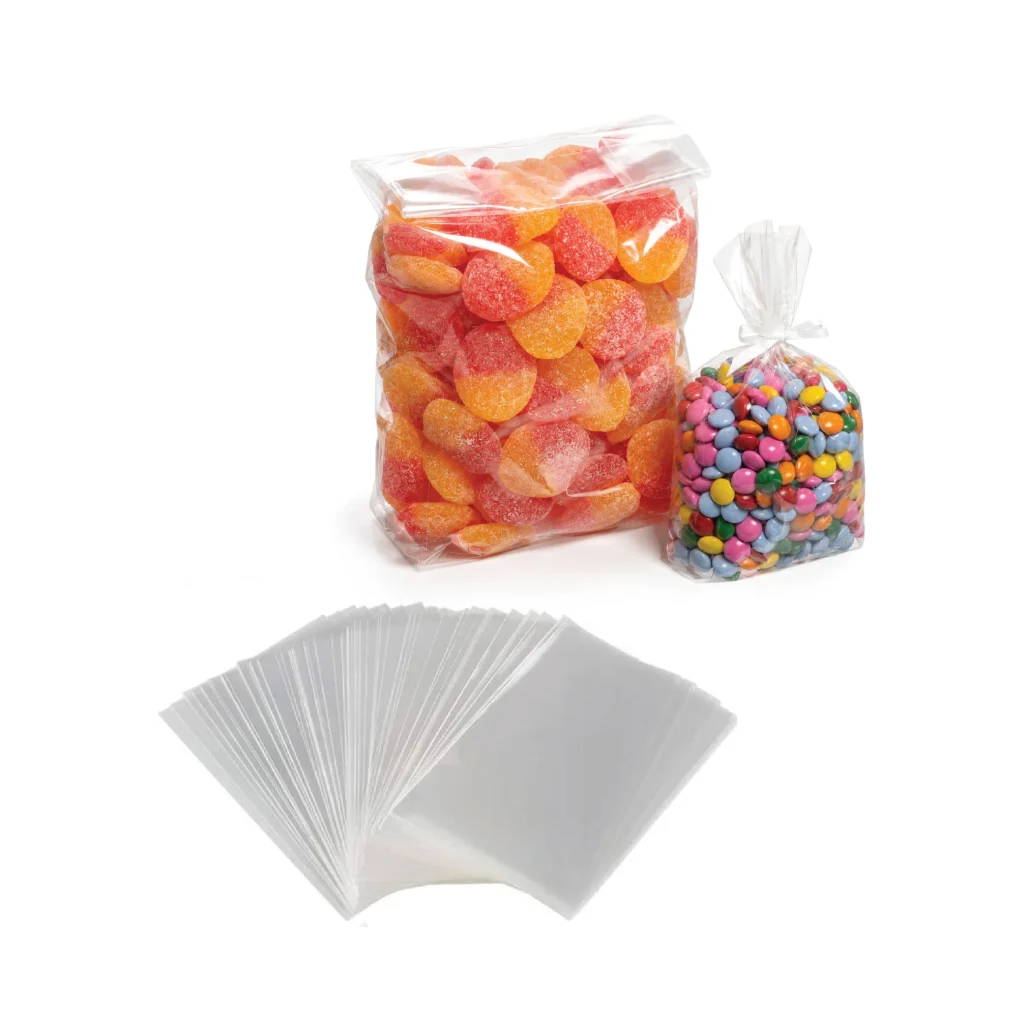
Alte-Rego Corporation is a Toronto-based flexible packaging manufacturer, operating since 1988 with FSSC 22000 and GFSI certification. Our food-grade range includes food grade poly bags, reclosable bags and poly produce bags, made under controlled, hygienic production with lot traceability. Our team can help you choose the right bag for your ingredients and provide the documentation your QA team needs.
Frequently Asked Questions
What makes packaging “food grade” in Canada?
Food-grade packaging is made from materials suitable for contact with food that will not transfer harmful substances. Suppliers usually support this with resin declarations, an FDA statement or a Health Canada Letter of No Objection.
Is a Letter of No Objection mandatory?
No. It is voluntary, but many food companies ask for it because it shows Health Canada has assessed the material for that use.
Can recycled plastic be used for food packaging?
Only with care. Health Canada recommends a pre-market assessment for recycled plastics in direct food contact. Recycled content is more often used in packaging that does not touch the food.
What certification should a food packaging supplier have?
Look for a GFSI-recognised scheme such as FSSC 22000 or BRCGS Packaging. These standards are audited by third parties.
Explore Related Alte-Rego Products
- Food Grade Poly Bags – Polyethylene bags made for direct contact with food and ingredients.
- Poly Produce Bags – Clear bags for fresh fruit and vegetables.
Need a custom size or specification? Call (416) 740-3081, email marketing@alte-rego.com or request a quote from our team.