Quick Answer
Custom drum and pail liners reduce cleaning costs by keeping product off the container walls, so drums and pails need little or no washing. This removes most wash labour, water and hazardous wash-water disposal, lets lines change batches by swapping a liner, and helps reusable containers last longer.
Key Takeaways
- Liners remove most drum washing and reconditioning.
- Less washing means less hazardous wash water to treat.
- Swapping a liner is faster than a deep clean between batches.
- Custom sizes fit 5-gallon pails up to 55-gallon drums and totes.
- Clean containers last longer and keep their value.
Cleaning drums and pails is slow, messy and expensive. It ties up staff, uses water and chemicals, and in many plants creates hazardous waste that must be treated or hauled away. For plants handling chemicals, grease, oils, adhesives or food ingredients, liners are one of the simplest ways to cut these costs.
Here are five ways custom drum and pail liners help plant operations managers reduce cleaning costs and downtime.
1. Remove the Need for Drum Washing and Reconditioning
Without liners, product sticks to the inside of the container. Before refilling, the drum has to be washed, or sent out for reconditioning, or replaced.
With a liner, the product touches the liner instead of the drum. When the drum is empty, you remove the liner and the drum is ready to use again. This can remove:
- Labour for washing and inspection.
- Water, detergents, solvents and energy.
- Reconditioning fees and transport to a reconditioner.
- The cost of replacing drums that are too contaminated to clean.
2. Reduce Hazardous Wash Water
Wash water from chemical, oil or grease drums often contains residues that cannot go straight down the drain. It may need on-site treatment or collection by a licensed waste hauler.
When drums are lined, there is little or no wash water. The used liner still needs to be disposed of correctly based on what it contained, but a liner is usually much smaller and easier to handle than tanks of contaminated water.
3. Speed Up Changeovers Between Batches
Deep cleaning between batches can halt a line for a long time, especially when you switch colours, formulas or allergens. With liners, changeover becomes:
- Remove the used liner.
- Check the container.
- Insert a new liner.
- Fill with the next batch.
This means more production time, faster turnaround and less risk of carry-over between batches.
4. Get a Better Fit with Custom Sizing
A liner that does not fit properly causes problems. Too small and it can pull loose or tear. Too big and it folds, trapping product and getting caught in pumps or mixers.
Custom liners are made to your container’s size and shape. Common options include:
| Container | Typical use | Liner options |
|---|---|---|
| 5-gallon pails | Coatings, adhesives, food ingredients | Fitted pail liners |
| 30-gallon drums | Chemicals, oils | Flat or round bottom liners |
| 55-gallon steel or plastic drums | Bulk liquids, grease, resins | Round bottom or form-fitted liners |
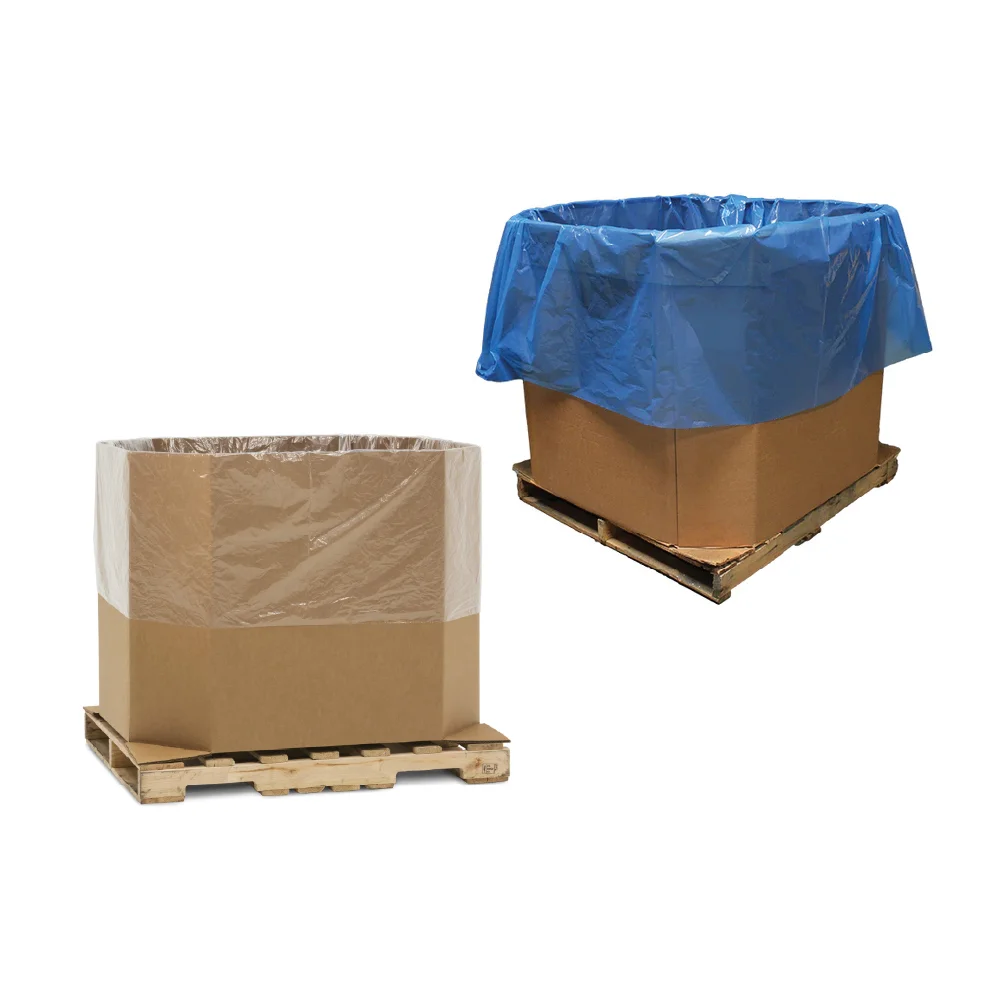
| Gaylord boxes and totes | Bulk solids, powders, parts | Gaylord and box liners |
Material and thickness can also be matched to the product, from soft LDPE to tougher LLDPE and chemically resistant HDPE.
5. Extend the Life of Reusable Containers
Every wash, scrape and chemical clean wears a container down. Steel drums can corrode, and plastic drums can stain or absorb odours. Over time, containers have to be replaced.
Liners protect the inside of the container, so drums and pails stay in good condition for more cycles. That lowers container replacement costs and keeps your fleet of reusable drums usable for longer.
How to Calculate Your Savings
To see if liners make sense for your plant, compare the cost per cycle:
- Without liners: labour + water + chemicals + energy + wash-water disposal + downtime + reconditioning or replacement.
- With liners: liner cost + liner disposal + a few minutes of labour.
Add the value of any extra product recovered because the liner drains more completely. In many plants, the liner option comes out ahead.
Custom Drum and Pail Liners in Canada from Alte-Rego
Alte-Rego Corporation is a Toronto-based flexible packaging manufacturer serving Canadian industry since 1988. We supply industrial liners, including Gaylord liners for bulk containers, and can produce custom drum and pail liners to fit your containers and products. Send us your container sizes and product details, and we will recommend the right liner.
Frequently Asked Questions
Do drum liners really eliminate cleaning?
In most cases they remove the need for full washing because the product does not touch the drum. A quick inspection is still good practice before refilling.
How do I dispose of used drum liners?
Dispose of them according to what they contained. Liners from non-hazardous products may go to regular waste or recycling, while liners from hazardous products must follow your local hazardous waste rules.
Can I get liners for both pails and drums?
Yes. Liners can be made for small pails, 30- and 55-gallon drums, and larger bulk containers such as Gaylord boxes and totes.
What material is best for chemical drum liners?
HDPE often offers better chemical resistance, while LLDPE adds toughness. Always test the liner with your product.
Explore Related Alte-Rego Products
- Gaylord Liners – Liners for bulk boxes and totes that keep containers clean and protect contents.
Need a custom size or specification? Call (416) 740-3081, email marketing@alte-rego.com or request a quote from our team.