Quick Answer
Custom poly bags for food packaging improve freshness, safety and line speed when they are built around the product and the packing line. Wicketed bags speed up filling, the right film prevents cold crack in freezers, correct sizing fits box and tote liners, and consistent production with lot tracking keeps every run the same.
Key Takeaways
- Wicketed bags, perforations and the right seals speed up packing.
- Freezer bags need cold-crack-resistant film to prevent splits and freezer burn.
- Size liners from the inside dimensions of boxes and totes.
- Lot codes and consistent specs support traceability.
- Choose a food-safety-certified manufacturer.
In commercial bakeries, produce packing and frozen food plants, packaging has to keep food fresh, safe and moving quickly down the line. A bag that is slightly the wrong size or cracks in the freezer can slow production and lead to waste.
This article explains the custom bag features that improve line efficiency, how to choose bags for frozen storage, how to size liners, and how to keep high-volume runs consistent.
Custom Bag Features That Boost Line Efficiency
Wicketed bags
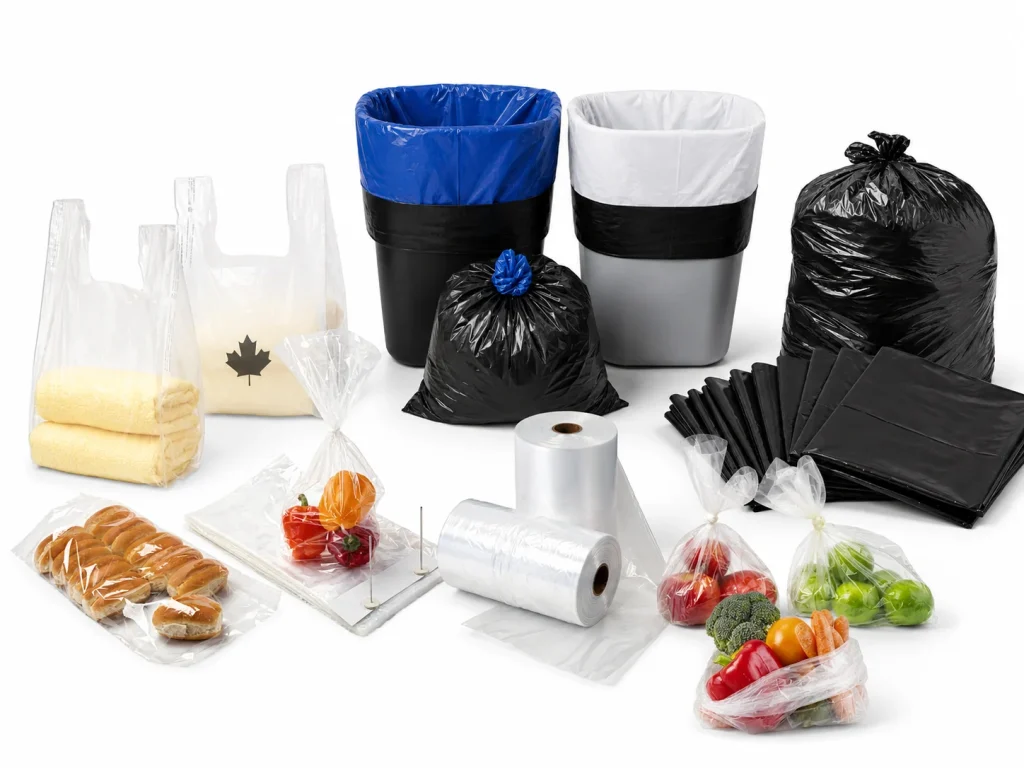
Wicketed bags are stacked on a wire wicket and held in place, often pre-opened with a puff of air. Operators or machines can fill them quickly, one after another. They are widely used for bread, buns, snacks and produce.
Easy-open perforations
Perforated tear lines help end users open bags cleanly. Perforations between bags on a roll also make dispensing faster.
Bottom and side seals
The type of seal affects strength and how the bag fills:
- Bottom seal bags are strong at the base and good for heavier contents.
- Side seal bags have seals along the sides and a folded bottom, often used for lighter products.
- Gusseted bags expand to hold boxy or bulky products.
Reclosable features
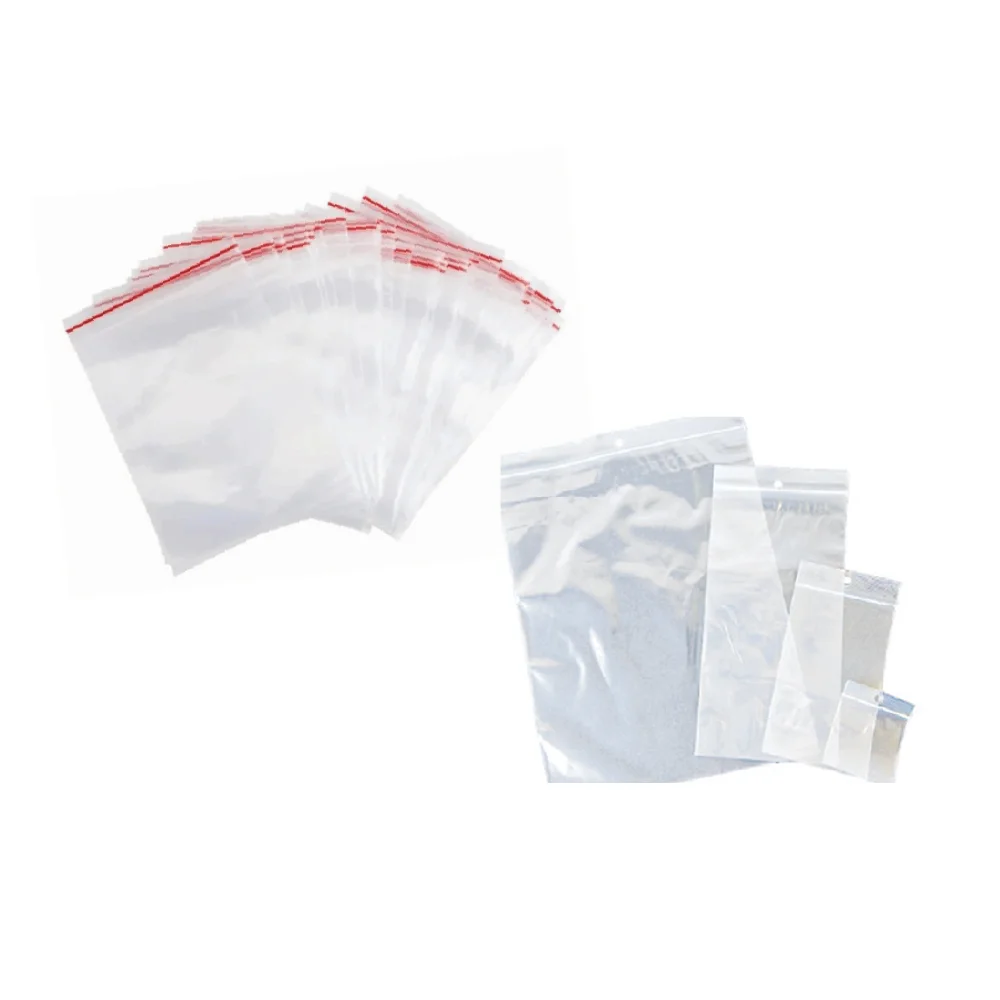
Zipper and press-to-close bags keep food fresh after opening and are useful for retail and portion packs.
Freezer Performance: Preventing Cold Crack and Freezer Burn
Low temperatures make some plastics brittle. A bag that works well at room temperature may crack or split in a freezer, especially when handled or dropped.
To prevent this:
- Use cold-resistant film. LDPE and LLDPE stay flexible at low temperatures; LLDPE adds toughness.
- Choose the right thickness. Heavier frozen products need thicker film.
- Limit moisture loss. Polyethylene’s low moisture transmission helps reduce freezer burn.
- Remove air. Less air in the bag means less ice crystal formation and freezer burn.
| Requirement | What to specify |
|---|---|
| No cracking in the freezer | LLDPE or LLDPE blend, suitable gauge |
| Freezer burn protection | Low-MVTR film, tight closure, minimal air |
| Visibility | Clear film |
| Heavy products | Thicker film, strong bottom seal |
Sizing Bags for Box-Lining and Tote-Lining
Liners inside boxes and totes keep food clean and protect it from the container. Correct sizing is important:
- Measure the inside of the box or tote: length, width and depth.
- Allow for overhang if the liner should fold over the top for closing.
- Use gussets so the liner sits flat in the corners without stretching.
- Check machine needs if liners are placed automatically.
A liner that is too small can tear or slip into the product. One that is too large wastes film and can get in the way.
Ensuring Traceability and Consistency Across Production Runs
For high-volume food operations, every order must match the last one. Key points:
- Written specifications. Size, thickness, material, seal type and features, agreed with the supplier.
- Lot codes. Printed or labelled on cases so packaging can be traced back to production.
- Quality checks. Regular checks of size, thickness and seal strength during production.
- Certificates. Food-contact documentation and certificates of analysis where needed.
- Change control. Suppliers should tell you before changing materials or processes.
Custom Food Packaging Bags from Alte-Rego
Alte-Rego Corporation is a Toronto-based flexible packaging manufacturer, operating since 1988 with FSSC 22000 and GFSI certification. We supply custom food grade poly bags, reclosable bags, wicket poly bags and poly produce bags made to your specifications, with lot traceability for food businesses. Send us your product, packing method and volumes, and we will recommend the right bag.
Frequently Asked Questions
What are wicketed bags used for?
Wicketed bags are stacked on a wire wicket for fast filling. They are common for bread, baked goods, snacks and produce.
Which plastic is best for freezer bags?
LDPE and LLDPE are commonly used because they stay flexible at low temperatures. LLDPE adds toughness and puncture resistance.
How do I prevent freezer burn in bulk packaging?
Use a low-moisture-transmission film, remove as much air as possible and seal or close the bag tightly.
Can food bags be printed with lot codes?
Yes. Lot codes can be printed on bags or on cases to support traceability.
Explore Related Alte-Rego Products
- Reclosable Bags – Crystal clear reclosable bags that meet FDA specifications.
- Food Grade Poly Bags – Polyethylene bags made for direct food contact.
Need a custom size or specification? Call (416) 740-3081, email marketing@alte-rego.com or request a quote from our team.