

Quick Answer
Commercial kitchens and facility maintenance teams use custom drum and pail liners to keep containers clean when they hold grease, used oil, cleaning chemicals or bulk ingredients. A liner made to the container’s size sits flat, does not slip, and can be removed and replaced in minutes, which saves washing time and keeps work areas cleaner.
Key Takeaways
- Liners keep pails and drums clean so they can be reused.
- Custom sizes stop liners from slipping or tearing.
- Kitchens use liners for grease, oil and bulk dry goods.
- Facility teams use them for cleaning products and waste collection.
- Use food-grade liners anywhere food is involved.
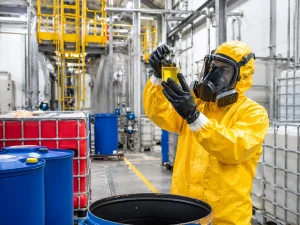
Pails and drums are everywhere in commercial buildings. Kitchens store bulk flour, sugar and oil in them and collect used fryer oil. Facility teams mix cleaning products, collect waste and store absorbents. Each time a container gets dirty, someone has to wash it, and that takes time, water and chemicals.
Custom drum and pail liners solve much of this. This article explains where they help most in commercial kitchens and facility maintenance.
Uses in Commercial Kitchens
| Task | Container | Liner benefit |
|---|---|---|
| Bulk dry goods | 5-gallon pails, bins | Keeps containers clean between refills |
| Used fryer oil collection | Pails and drums | Less scrubbing, cleaner handling |
| Sauces and marinades in bulk | Food-safe pails | Easy changeover between batches |
| Prep waste | Pails | Faster emptying, less odour |
Any liner that touches food must be made from food-grade material. Read our guide to food grade flexible packaging for commercial kitchens for the basics.
Uses in Facility Maintenance
- Cleaning chemical mixing. Liners stop residue building up in mixing pails.
- Waste collection. Drums for rags, absorbents or debris stay cleaner.
- Floor care. Pails for stripping and waxing solutions are easier to clean out.
- Seasonal storage. Lined drums hold salt or sand without rusting.
Always check chemical compatibility before using a liner with strong cleaning products.
Why Custom Sizing Matters
Generic liners often slip down into the pail or bunch up at the bottom. A custom liner:
- Fits the container’s diameter and height.
- Can fold over the rim and stay in place.
- Leaves fewer folds where product gets trapped.
- Uses only as much film as needed.
Simple Steps to Start Using Liners
- List every pail and drum size you use.
- Note what each container holds.
- Ask a supplier for matching liner sizes and materials.
- Test samples for one or two weeks.
- Train staff on how to fit, remove and dispose of liners.
For the cost side, see our article on how drum and pail liners reduce cleaning costs.
Liners from Alte-Rego
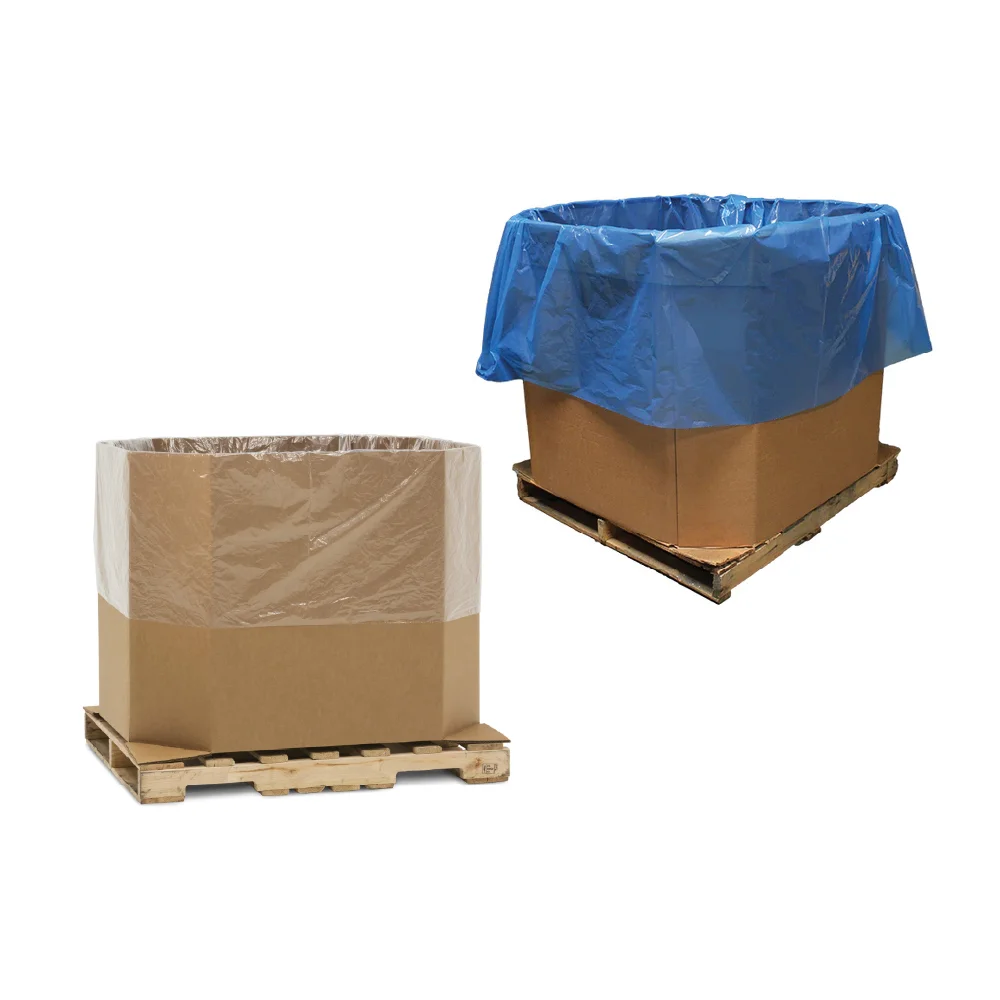
Alte-Rego Corporation is a Toronto-based flexible packaging manufacturer, operating since 1988 with FSSC 22000 and GFSI certification. We supply Gaylord liners and food grade poly bags, and can make custom drum and pail liners for commercial kitchens and facility teams across Canada. Contact us through our catalogue page to share your container sizes.
Frequently Asked Questions
What are pail liners used for?
Pail liners keep 5-gallon and similar pails clean when they hold food, oils, chemicals or waste, so the pail can be reused without heavy washing.
Can drum liners hold used cooking oil?
Yes, if the liner is suitable for the oil’s temperature. Let oil cool before pouring it into a lined container.
Are drum liners safe with cleaning chemicals?
Many are, but some chemicals can affect polyethylene. Check compatibility and test first.
How do I dispose of used liners?
Follow local rules based on what the liner held. Food and general waste liners are handled differently from chemical waste.
Explore Related Alte-Rego Products
- Gaylord Liners: Liners for bulk boxes and containers.
- Food Grade Poly Bags: Food-safe bags for kitchen storage and prep.
Need a custom size or specification? Call (416) 740-3081, email marketing@alte-rego.com or request a quote from our team.