
Quick Answer
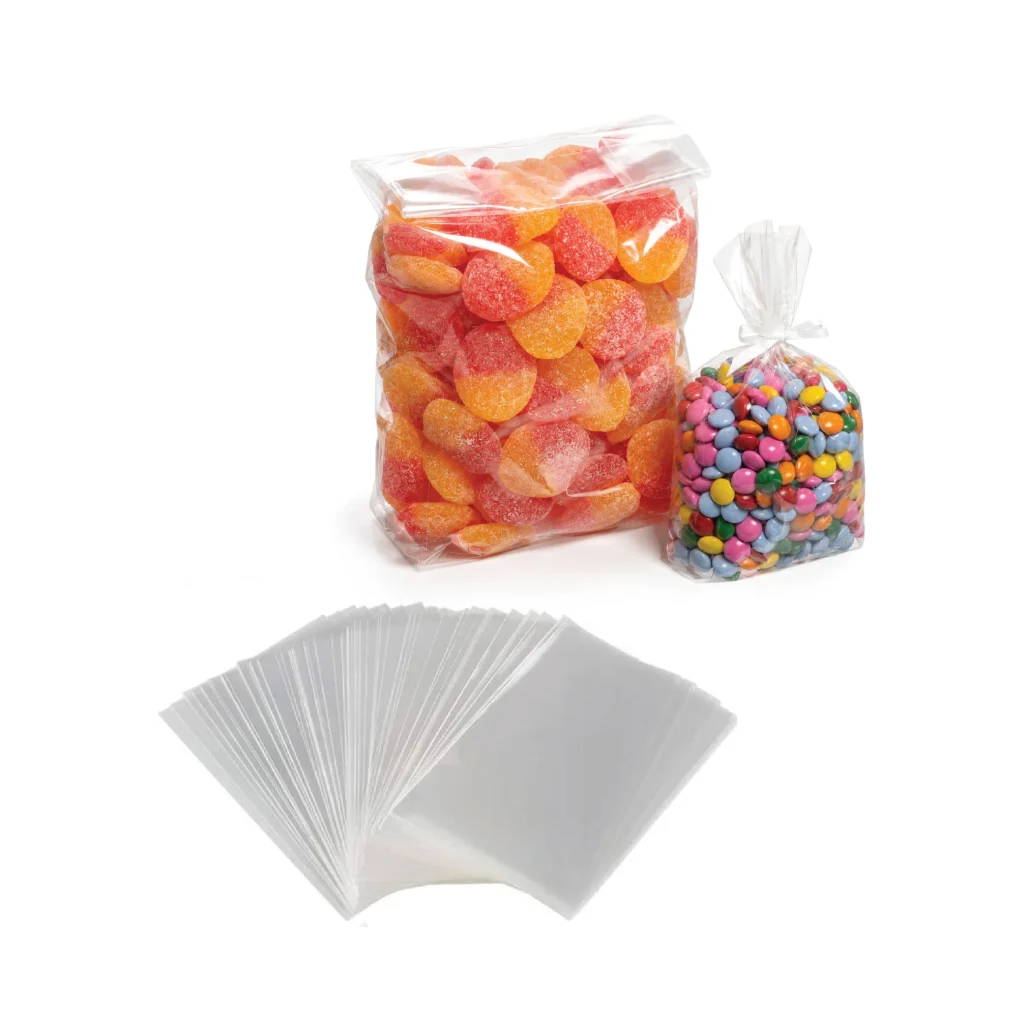
Food grade flexible packaging for commercial kitchens in Canada is packaging made from materials suitable for direct food contact, such as food-grade polyethylene bags and liners. Restaurants and caterers should buy it from a certified supplier, keep the supplier’s food-contact documents on file, store it off the floor in a clean area, and match each bag to the task, whether that is prep, freezing or delivery.
Key Takeaways
- Use food-grade bags for anything that touches food directly.
- Keep supplier documents ready for health inspections and audits.
- Freezer work needs flexible, cold-resistant film.
- Store packaging clean, covered and off the floor.
- Colour or label bags to separate allergens and raw foods.
A busy kitchen can go through hundreds of bags a day. They hold portioned proteins, chopped vegetables, sauces, dough and leftovers. If the wrong bag is used, food can pick up odours, leak or freeze badly. If packaging is stored poorly, it can become a source of contamination itself.
This guide is written for restaurant owners, kitchen managers and caterers in Canada who want simple, practical rules for buying and using food grade flexible packaging.
What “Food Grade” Means in a Kitchen
In Canada, the Food and Drug Regulations say food must not be sold in packaging that may pass harmful substances to it. Food businesses licensed under the Safe Food for Canadians Regulations must also use packaging that is suitable and will not contaminate food.
For a kitchen, that means:
- Buy bags and liners made from food-grade resin.
- Ask the supplier for food-contact documents, such as an FDA statement or a Health Canada Letter of No Objection.
- Do not reuse non-food bags, such as garbage bags, for food.
Our article on food-grade polyethylene packaging and CFIA compliance explains these rules in more detail.
Matching the Bag to the Kitchen Task
| Task | Best choice | What to look for |
|---|---|---|
| Prep and portioning | Flat food grade poly bags | Clear film, right size for portions |
| Freezing | LLDPE freezer bags | Stays flexible in the cold, low moisture loss |
| Dry bulk storage | Bin and tote liners | Fits the container, easy to change |
| Takeout and catering | Reclosable bags | Secure closure, no spills |
| Produce handling | Produce bags | Light film, easy to open |
Storing Packaging Safely
Packaging should be treated like any other food-contact item:
- Keep cases sealed until needed.
- Store them on shelves, at least 15 cm off the floor.
- Keep packaging away from chemicals and cleaning products.
- Use older stock first.
- Throw out bags that are torn, dusty or wet.
Allergen and Cross-Contact Control
Many kitchens use labelled or coloured bags to separate allergens, raw proteins and ready-to-eat foods. A simple system helps:
- One bag type or label for raw meat and seafood.
- One for allergen items such as nuts or gluten.
- One for ready-to-eat items.
Train staff to label every bag with the content and date.
Cutting Packaging Waste in the Kitchen
Right-sized bags use less film and are easier to store. Reclosable bags can reduce double-bagging. Tracking how many bags each station uses per shift often shows where a smaller or larger size would save money.
Food Grade Packaging from Alte-Rego
Alte-Rego Corporation manufactures food grade flexible packaging in Toronto with FSSC 22000 and GFSI certification, and has served Canadian businesses since 1988. We supply food grade poly bags, reclosable bags and produce bags for restaurants, caterers, grocery stores and food processors. Read more about Alte-Rego or request our catalogue. For bulk food bag tips, see our article on custom poly bags for bulk food packaging.
Frequently Asked Questions
Can restaurants use any plastic bag for food?
No. Only bags made for food contact should touch food. Garbage bags and other non-food bags may contain materials not meant for food.
What documents should a kitchen keep for packaging?
Keep the supplier’s food-contact statement and any certificates, such as FSSC 22000, so they are ready for inspections and audits.
Which bags are best for freezing food?
LLDPE or LDPE bags designed for low temperatures. They stay flexible and help reduce freezer burn.
How should food packaging be stored?
In sealed cases on clean shelves, off the floor, away from chemicals and used first in, first out.
Explore Related Alte-Rego Products
- Food Grade Poly Bags: Polyethylene bags made for direct food contact.
- Reclosable Bags: Crystal clear bags that meet FDA specifications.
Need a custom size or specification? Call (416) 740-3081, email marketing@alte-rego.com or request a quote from our team.